Archive | May, 2012

Using Coffee Grounds on Furniture Scratches

Using old coffee grounds for something useful seems like a great idea. So I set out to find some useful ideas for coffee grounds. As you might guess, there are many suggestions for reusing or recycling coffee grounds. I’m not going to bore you with a list of 50 things that you might try but let me share one useful way to use old coffee grounds.

First I have read that coffee grounds can be a good fixer for scratches on your furniture. So this was my first test.

I took some coffee grounds and to see if it would fix my scratched bed frame that we bought 2nd hand. I rubbed some damp coffee grounds along and around the scratches gently. I then wiped off the grounds and cleaned up the surface with a towel. The results were that the scratches were hidden and not so noticeable but there were still there. I then tried the coffee grounds on a darker coffee table that had a few scratches. The results were much better and the minor scratches were nearly gone and not really noticeable at all after applying some recycled coffee grounds on the scratches.

The bottom line — Using coffee grounds does help hide scratches on wood furniture. It appears the darker furniture scratches are hidden better with an application of old coffee grounds than light-colored furniture. So if you have some scratches on your wooden furniture, give this useful idea a try. You have nothing to lose but some scratches, right?
6

Lettuce Netting to Protect my Plants

I’ve been having a problem with mice getting into my greenhouse and eating my tender seedling plants. The mice appear to really love my tomato starts and have been eating the leaves off my starter plants. I have been trying to think of a solution and came up this idea.


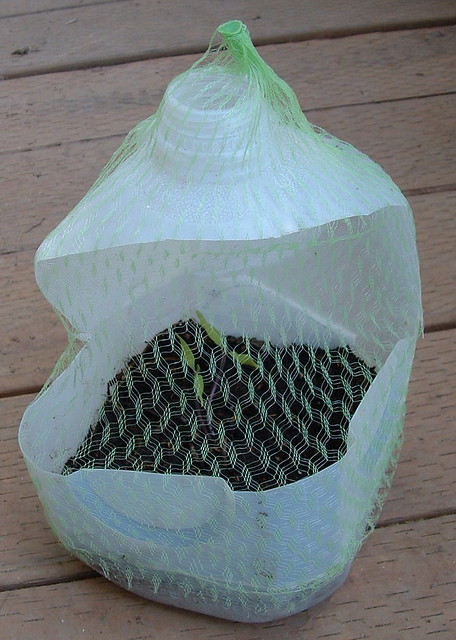
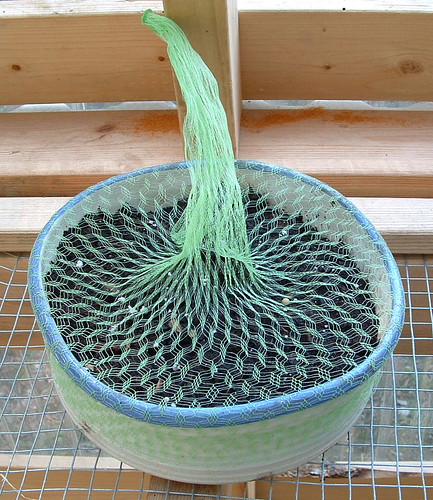
I used recycled lettuce netting that comes around the lettuce I buy to protect my plants from mice. These plastic nets fit over the milk jugs that I have seedlings in as well as over smaller pots that I am using for plant starts.

The nets are working great. I can water the plants and they get sun and air but the mice can’t get at the plants or seeds. So far I haven’t had any problems since covering my seedlings with the produce nets.

0

Using Epsom Salt for Tomato Plants

Epsom salt is very useful for fertilizing and feeding your tomato plants. Last year I discovered using Epsom salt can help with magnesium deficiencies in soil and also helps with yellow leaves on tomato plants. Epsom salt contains magnesium sulfate and several other important nutrients that encourage leaf and root development.

Using Epsom salts to grow tomato plants appears to be an excellent alternative to naturally fertilize the plants. Another wonderful thing about Epsom salt is that it’s readily available and cheap to buy.

Using Epsom Salt:
To use dry, mix about a teaspoon of Epsom salt in the dirt around a new tomato seedling or growing plant. Once the plant gets bigger, you can use more salt. For example, use 1 tbsp. for each foot of plant height. For watering application, use 1 tablespoon of Epsom salt in a gallon of water. Mix well and water plant weekly with the mixture.

The results I obtained were healthier, greener and better producing plants. Bottom line — Using Epsom salt is frugal and provides a more natural way to fertilize your tomato plants with great results.

5

Aloe Vera Plants for Burns

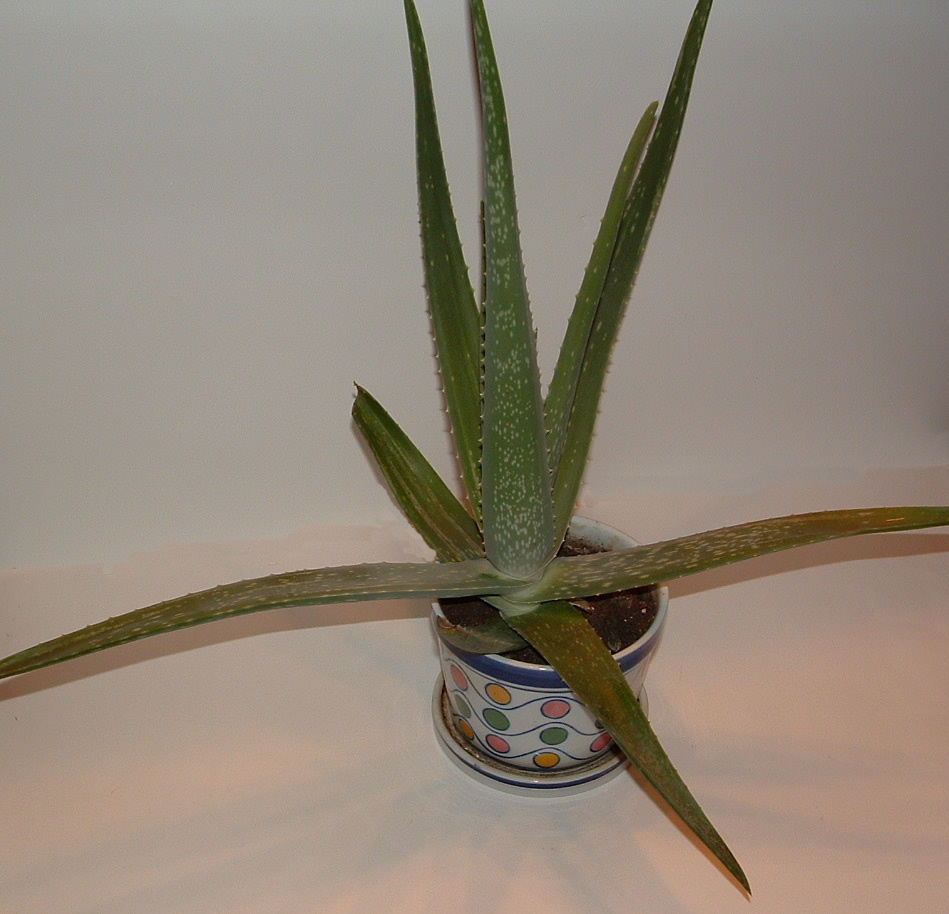
Aloe Vera plants are excellent for treating and relieving the pain from burns. Last year I bought a few small plants to have on hand for treating burns. Here is one of my larger plants that has really taken off. The key I have found is watering it just a bit and letting it dry out thoroughly between watering. The plants seem to do much better if the dirt is allowed to dry out between waterings. I had one plant that I watered too much and the leaves near the dirt began to get a rotten look so my advice is be careful not to over water your plants.

To treat a burn with Aloe Vera from a plant, use a sharp knife to cut a piece of the leaf off. For a small burn, you just need a small piece of a leaf. I generally cut a piece off about the 2 inches long. You may want to cut your piece a bit smaller if you leaf is wider and has more pulp in it. Because my plants are younger, they don’t have quite as much density to them yet.

You can see in the photo how the one leaf was cut at an angle. The plant stem heals itself and continues to grow if you cut it with a sharp knife as shown.

Apply the gel from inside the leaf by either cutting the leaf open or squeezing it a bit to get the gel out. Once you get the gel to come out of the leaf, gently apply it to the burn. Let it soak in and apply more gel to soothe the burn as needed. I like to leave the Aloe Vera gel on in a glob which seems to really help the pain and appears to help with the healing process too.

7