Search

Citrus Vinegar Spray

Homemade Citrus Vinegar Spray

Useful Idea for the Day:
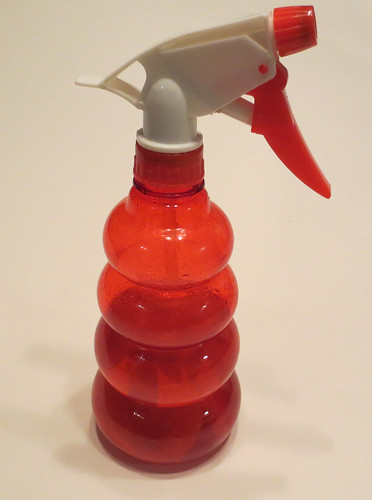
Save those pieces of citrus peelings to make a homemade citrus vinegar cleaning spray. Save the peelings from oranges, grapefruits and lemons. Here is a leftover piece of lemon slice I had from a water glass. Cut it into small pieces as shown to put into a bottle sprayer. Add vinegar to the sprayer and use the homemade citrus spray for cleaning countertops, sinks, and your bathroom.
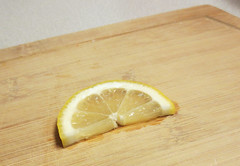
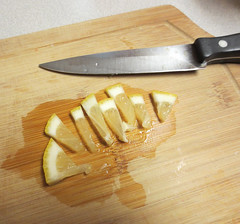
Lemon Slice Pieces of Lemon cut

After a month or so, the peelings do begin to break down. I use a strainer to remove any decomposed pieces as needed. Add more vinegar and peelings to keep your homemade citrus cleaner filled. You can use the old pieces as a scrub too for your sink before throwing them out.

Conclusion: The citrus vinegar solution makes a useful homemade cleaning solution that leaves your kitchen and bath looking and smelling wonderful.
3

Holding a Nail for Hammering

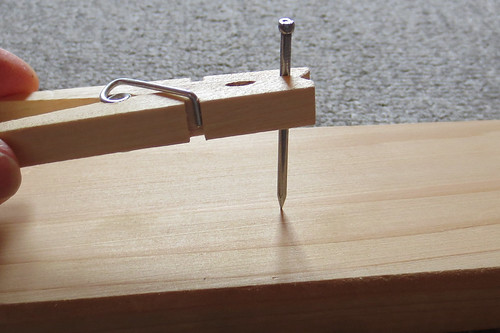
I just saw this niffy idea on how to hold a nail for hammering. This is especially handy when you have a small nail and need to be precise with your hammer hits.

I just love this idea and found it so useful that I wanted to share it. All you need is a clothespin. Here is my personal photo using the unique nail holding technique.

I can’t wait to use this idea next time I have a nailing project. I’m sure it will save on my thumb too. 🙂

0

Homemade Leather Cleaner & Conditioner

I recently bought a used leather chair. It needed cleaned where there were a few stains on the leather. Nothing serious, just a few marks and a spill I needed to clean off the leather. But I didn’t have any leather cleaner in my cleaning supplies so I set out to find a homemade leather cleaner.

As you may know, I think vinegar is an amazing fix-all product. I checked and several home remedies for leather cleaning and stain removal call for using vinegar. Was I surprised, no not at all. In fact, I figured if I didn’t find this suggestion about using vinegar to clean the leather chair, I was going to try it anyway.

Homemade Leather Cleaning and Conditioning

Materials Needed:
White vinegar
Water
Clean soft rag or towel
Olive Oil

To clean a stain or spill off leather, dribble a bit of vinegar on a clean towel. Continue Reading →

5

Homemade Grill from a Can


Check out this homemade grill that you can make from a tin can. This idea was shared on Living Off the Grid.

Its a wonderful way to improvise and make a grill from a recycled can. Even if you didn’t have charcoal, you could use coals from a fire to make yourself a small useful cooking grill. So tuck this idea into your prepping knowledge bank and remember it should you need it the future.

1

Storing Tomatoes in Newspaper

At the end of the gardening season last year I had many green tomatoes. I wrapped them in pieces of newspaper and stored them in a brown paper bag in my basement. I kept them in the dark and they not only ripened over the winter but stored very well.

Here are a few of the last tomatoes that I just unwrapped today. They have been stored in the newspaper for 4 months. As you can see they look pretty good. Some of the skins are a bit wrinkled but these tomatoes tasted great in my green salad today.

Storing Details:
Wrap only about 2 green tomatoes in each piece of newspaper loosely. Place each wrapped newspaper bundle in a brown paper bag. I was able to put quite a few bundles of wrapped tomatoes in the paper bag. Close the bag and keep it in the dark. Storing in the basement worked well for me.

Check the tomatoes in a few weeks or as needed. Remove the red ripened tomatoes. Re-wrap the green tomatoes and put them back into the brown paper bag until ripe or when you need a tomato.

Conclusion:
Green tomatoes can be saved, stored, and ripened over the winter for future use.

2

Water Purification using Bleach

Boiling water is one of the safest ways to purify it. Water should be boiled for one full minute at a rolling boil. If you can not boil your water, using bleach is another alternative for purification.

Normal household bleach is usually between 5-6% chlorine and can be used following the chart guidelines below. Do not use perfumed, dyed bleach that has any additives. Use plain bleach as follows for water purification.

Source: Washington Dept of Health

Use a clean container and mix thoroughly and allow to stand for at least 30 minutes before using (60 minutes if the water is cloudy or very cold).

2