Archive | Gardening RSS feed for this section

Cayenne Pepper Keeps Pests Away

I read that cayenne pepper can be helpful at keeping pests away. Apparently mice, squirrels and other pests don’t like the smell of cayenne pepper. I have been having a problem with mice getting in my greenhouse and eating my tender seedling plants so I wanted to give this idea a try.

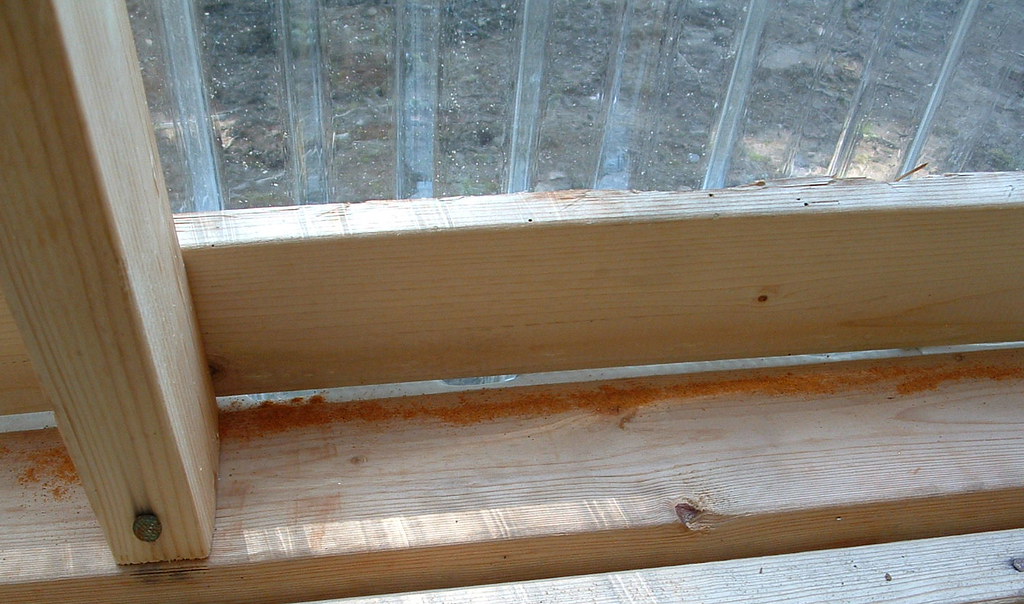
I have also read that ants and some other bugs don’t like cayenne pepper either so this may be a good solution to deter them too. I bought a 50 cent bottle of cayenne pepper and have sprinkled it generously all around the greenhouse as shown above. So far it appears to be working. My seedlings haven’t been getting eaten overnight like they had been but lets give it some time to see if this really works.

It’s been about a week now since I first spread some cayenne pepper around in my greenhouse. The plants have been left alone and it doesn’t appear that anything has been getting in and eating them. So if you have been having problems with mice or other such pests, you might try this useful idea of applying cayenne pepper around the area to repel them.

Application: Sprinkle the cayenne pepper all around areas where you want to keep the pests away. Especially apply cayenne pepper in holes and openings where the pests are entering. Re-apply every few weeks to keep the strong smell present for the best results.
Lettuce Netting to Protect my Plants

I’ve been having a problem with mice getting into my greenhouse and eating my tender seedling plants. The mice appear to really love my tomato starts and have been eating the leaves off my starter plants. I have been trying to think of a solution and came up this idea.


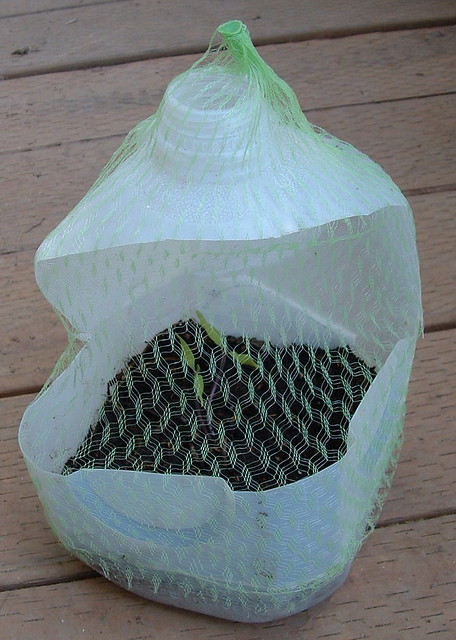
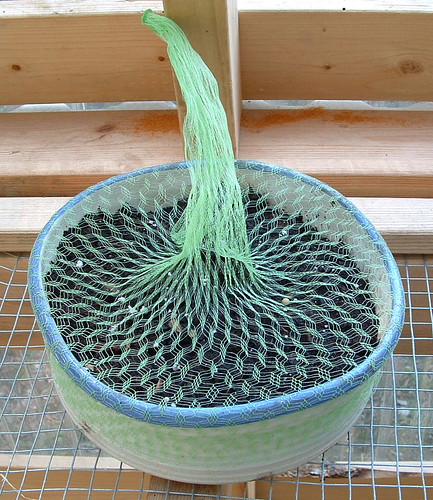
I used recycled lettuce netting that comes around the lettuce I buy to protect my plants from mice. These plastic nets fit over the milk jugs that I have seedlings in as well as over smaller pots that I am using for plant starts.

The nets are working great. I can water the plants and they get sun and air but the mice can’t get at the plants or seeds. So far I haven’t had any problems since covering my seedlings with the produce nets.

0

Using Epsom Salt for Tomato Plants

Epsom salt is very useful for fertilizing and feeding your tomato plants. Last year I discovered using Epsom salt can help with magnesium deficiencies in soil and also helps with yellow leaves on tomato plants. Epsom salt contains magnesium sulfate and several other important nutrients that encourage leaf and root development.

Using Epsom salts to grow tomato plants appears to be an excellent alternative to naturally fertilize the plants. Another wonderful thing about Epsom salt is that it’s readily available and cheap to buy.

Using Epsom Salt:
To use dry, mix about a teaspoon of Epsom salt in the dirt around a new tomato seedling or growing plant. Once the plant gets bigger, you can use more salt. For example, use 1 tbsp. for each foot of plant height. For watering application, use 1 tablespoon of Epsom salt in a gallon of water. Mix well and water plant weekly with the mixture.

The results I obtained were healthier, greener and better producing plants. Bottom line — Using Epsom salt is frugal and provides a more natural way to fertilize your tomato plants with great results.

5

Update on my Seedlings

Here are my seedlings after 12 days in my recycled toilet paper rolls. I used the paper rolls cut in half for my plant starts. Here are the details on how to use toilet paper rolls for seedlings. These starts are leaf lettuce and I also have some tomato and carrots seedlings growing.

I’m happy to report that all the seeds sprouted in the rolls and are about ready to be replanted into my garden. I’ll post again soon with another progress report.

0

Recycling Toilet Paper Rolls for Seedlings

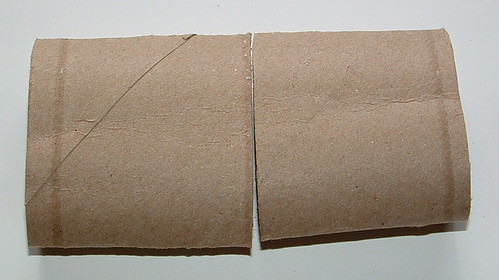
Here is a useful idea for your seedling starts. You can recycle toilet paper and paper towel empty rolls for seedling pots. I just cut the toilet paper rolls in half to create little pots for my garden seedlings. If you recycle paper towel rolls just cut off about 2 inches for each pot.

Once I had my rolls cut into pots, I placed them on an old cookie sheet I use for my seedling starts. I did not close the bottom but left it open. Fill the pots with dirt and plant your seeds. Once the seeds sprout and the plants are ready for transplanting into your garden, simply place the cardboard pots into the dirt. With the bottoms open, the roots can just grow out from the bottom and the cardboard will decompose.

I just planted about 20 pots today and will post photos once the seedlings emerge from the dirt in the pots.

0