Search

Heel Roast in a Dutch Oven

A heel roast isn’t the most tender cut of beef but it is very flavorful. Roasting a heel roast in a Dutch Oven is a wonderful way to slow cook the beef and results in a wonderful tender meal. Add carrots and potatoes and you have a complete one pot tasty meal. Here are the details on how I prepared and cooked my beef roast.

Ingredients:
3-4 pound Beef Roast (Heel Roast used in this recipe)
Olive Oil
Spices (garlic, salt, pepper, seasoning salt, sage)
Small onion diced
1 can beef broth
Carrots and potatoes (if desired)

Directions:
Rub olive oil over roast. Sprinkle roast with desired spices. I used garlic, salt, pepper, seasoning salt, and sage. Rub the spices into the meat and place meat on cast iron trivet inside the Dutch Oven. Pour a small amount of beef broth over the meat and put it in a preheated oven at 425 degrees F for 15 minutes to sear the meat with the lid off.

Add cut up carrots and potatoes around the meat. Top the veggies and the meat with diced onion. Pour the rest of the can of beef broth over the meat. Put the lid on the Dutch Oven and reduce oven heat to 325 degrees. Bake for 3 hours or until desired doneness. I did check the roast once at the 2-1/2 hour mark to baste it and I took the picture above. My meat wasn’t quite done so I left it for about another 20-30 minutes and then removed it from the oven. I let it set for about 15 minutes before serving.

I used the juice reserves from the pot to make gravy to top off my meal.

The results — A great meal of tender roast beef and tasty vegetables!
1

Stocking Up and Prepping

With hurricane Sandy’s devastation in the news, I can’t help but be reminded to stock up and do more prepping. The stories are just heart-breaking and many people just aren’t prepared to go without power for days or do without going to the grocery store for daily needs. For those that do have preparations ready for just such a disaster, I applaud you. But it is a good time to review your emergency preparedness and go over the what if scenarios. After reading some of the challenges facing people after hurricane Sandy, here are a few things to consider.

Do you have enough water available to drink, flush the toilet, and wash up with?

Do you have food on hand that you can eat without cooking, such as peanut butter, canned fruits or meats, crackers, bread, etc?

Is there an alternative to electric cooking? Do you have a BBQ you can cook on or a woodstove you can cook on or in? Maybe you have a fireplace, do you have a dutch oven you can place in the fireplace or on your woodstove for cooking?

How much food do you have on hand that you and your family can eat? Do you have enough for at least a week, a month, or maybe even a year? Prepping for long term can be expensive but if you buy an extra jar of peanut butter or a can of tuna each trip to the store you will soon begin to build your pantry.

Do you have batteries for your flashlights and portable radio? Many people without power still from hurricane Sandy say that their portable radio is the only way that they can get news and hear the latest information. Make sure you have fresh batteries on hand and that your portable radio works.

How about keeping clean? I mentioned above about having some water available for washing up. Maybe you don’t have enough water for this luxury. Maybe think about buying a few packages of baby wipes for washing yourself up.

Anyway these are just a few things to consider. I could list many more things but sometimes it’s good to just stick to the basics. Every little bit helps, so think ahead and don’t be one of those people who hasn’t at least made a few preparations for power outages, storms, and other such challenges.

1

Ripening Green Tomatoes

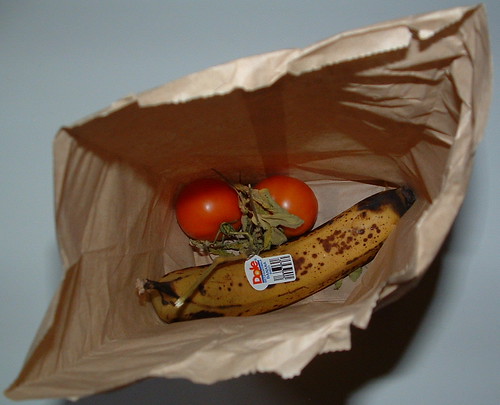
If you have green tomatoes left over in your garden, here is a great tip on how to ripen them and turn them red. Pick the green tomatoes and place them inside a paper bag along with a ripe banana. Apparently the ripe banana gives off a gas that helps ripen the green tomatoes naturally.

Here is a photo of a few tomatoes that I placed inside the bag that were very green. After just 5 days with the ripe banana they have ripened up nicely.

Instructions:
Place green tomatoes for ripening inside a paper bag. I used a small lunch sack and then added a ripe banana. Close the bag and check it in a few days. If the tomatoes aren’t ripe yet, close the bag and check it again in a few more days. Tomatoes should be fully ripened within 7 days.

0

Baking Potatoes in a Woodstove

I want to share my experience of using a woodstove to bake potatoes. We use a woodstove to heat our home and I wondered about using the woodstove for baking potatoes. It’s already hot and has room inside for baking so why start up the oven for baking potatoes when I could use the woodstove. So I set out to try out my idea, first you want a hot woodstove that has burned down a bit and has hot ashes that you can use as a bed for baking the potatoes.

Next double wrap the potatoes in foil. Move the fire over to one side of the stove as you want to place the potatoes in hot coals and ash but not directly against any burning wood.

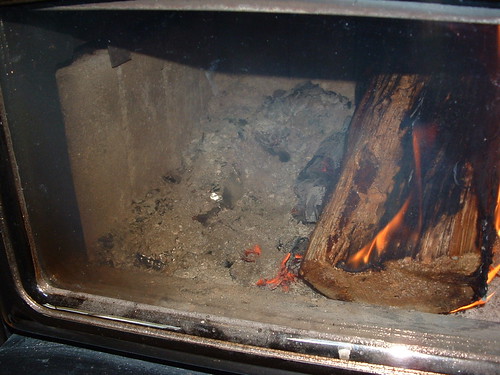
Here is a photo showing my two potatoes wrapped in foil and placed inside the woodstove. As you can see, the potatoes are on the ash bed with the burning wood moved over to the side.

After placing the potatoes inside the woodstove, cover up the potatoes with some hot ashes on the side of the firebox as shown in the picture below. I use my small stove shovel to scoop some ashes cover the potatoes to help them bake evenly.

In about 20 minutes, turn potatoes over and cover again with ashes. My large bakers were done after about 45 minutes in the woodstove. Using a potholder, squeeze the taters to make sure they are done and then remove them carefully using a thick potholder or heavy leather gloves as the potatoes are very hot.

The results are some wonderful baked potatoes that are very tasty. This useful idea produces great tasting baked potatoes but also is very useful should you have a power outage. Plus it saves energy by reducing the use of a traditional oven for baking.

6

Growing Celery Indoors Update

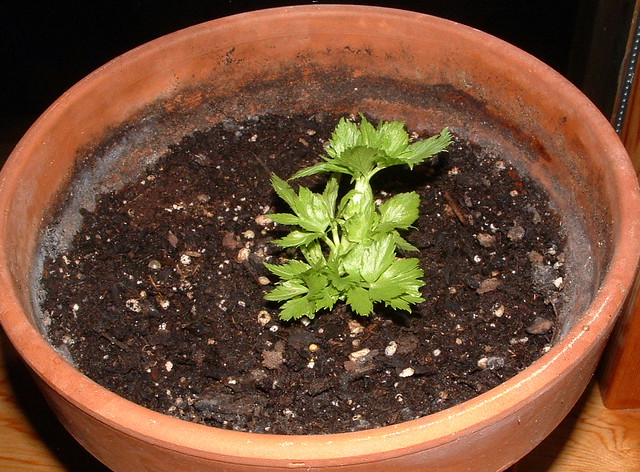
Here is my indoor celery growing experiment after 20 days. I originally posted about how to start a celery stalk to grow celery indoors in this post.

I just wanted to share my celery’s progress after 20 days. As you can see there are more leaves and little stalks are beginning to grow from the base of the celery start.

I am excited about the growth of my celery start and hope the plant continues to thrive. I will post more progress in the future.

0

Growing Indoor Celery

I love celery and always wondered about growing my own when I spotted this great idea about growing your own celery from a stalk end. So here is what I call my useful idea that you can eat.

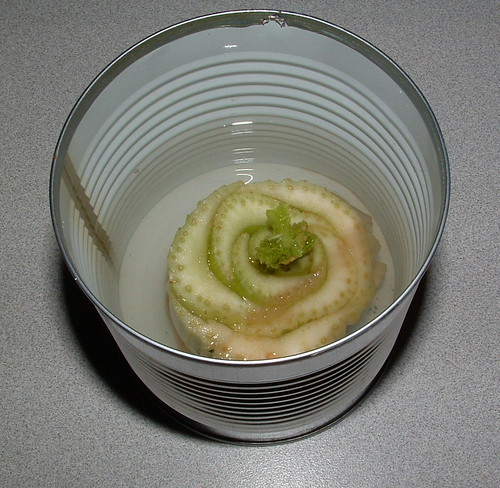
First you just need the end of the stalk that you usually discard after cutting the celery stalks off which leaves the end base of the celery plant. You place the end in a can or dish with a few inches of water. Here is my can with the celery start in it. This photo was taken after one week in the water. As you can see the center has new growth and little green leaf starts are emerging.

For the full details on the experiment that 17 Apart did you can read their blog post here.

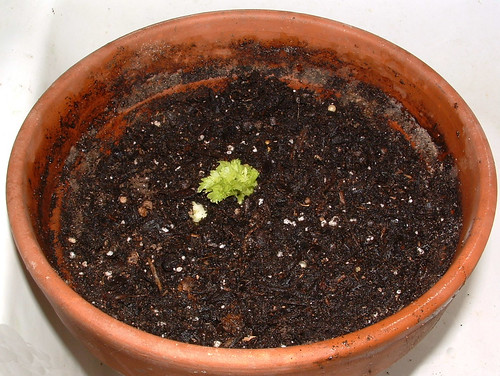
I just transplanted it into dirt at day 10. Re-plant the celery start in a pot of dirt. Cover up to the new leaf growth and water well. Here is the latest progress of my indoor celery start after re-potting the celery start today.

I will post more pictures of my celery growing experiment as my plant begins to grow. So check back in for an update on my celery growing in the coming weeks and months.

1